Wednesday, September 28, 2011

मोदी की निगाह में है दिल्ली


लोक सभा के आम चुनाव में अभी तीन साल और बाकी हैं. लेकिन गुजरात के मुख्यमंत्री नरेन्द्र मोदी ने अभी से इसकी तैयारियां शुरू कर दी हैं. बिहार के विधान सभा चुनाव में सहयोगी जनता दल (यू) के नेता और मुख्यमंत्री नितीश कुमार ने उन्हें चुनाव प्रचार से दूर रखा था. वजह थी मोदी की मुसलमान विरोधी कुप्रतिष्ठा. मोदी यह भली भांति जानते हैं कि केवल रतन टाटा, मुकेश और अनिल अंबाणी बंधु जैसे उद्योगपतियों के समर्थन प्रस्ताव से उन्हें दिल्ली की राज गद्दी नहीं मिलेगी. इसके लिए उन्हें अटल बिहारी वाजपेयी की तरह धर्मनिरपेक्षता का मुखौटा पहनना होगा.

गुजरात के २००२ में हुए नरसंहार में उनकी भूमिका के कारण विश्व हिन्दु परिषद के नेतृत्त्व ने मोदी को ’हिन्दु हृदय सम्राट’ की पदवी से विभूषित किया था. उनकी प्रखर हिन्दुत्त्ववादी छवि तथा गुजरात मतदाताओं के सांप्रदायिक ध्रुवीकरण के कारण ही मोदी दो दफ़ा मुख्यमंत्री चुने गए. विधान सभा चुनावों में मोदी ने पाकिस्तान के तत्कालीन राष्ट्रपति ’मियां मुशर्रफ़’ के भारत विरोधी रवैये तथा सोनिया गांधी के नेतृत्त्व में कांग्रेस की मुसलमानों को खुश करने वाली नीतियों को ललकारा और ऐसा माहौल खड़ा किया कि जैसे यह एक भारत-पाक युद्ध हो, न कि राज्य विधान सभा के चुनाव. पिछले दस साल से लगातार ’हिन्दु हृदय सम्राट’ का मुकुट पहन कर चलने वाले मोदी के लिए अब रातों रात धर्मनिरपेक्ष एवं सर्वमान्य नेता के रूप में अपनी पहचान बना पाना थोड़ा मुश्किल ही नजर आता है.

उच्चतम न्यायालय ने अब जब २००२ के नरसंहार में उनकी भूमिका की जांच अहमदाबाद के मेजिस्ट्रेट की अदालत को सुपुर्द करने का आदेश दिया है तब मोदी के लिए अपनी मुसलमान विरोधी छवि को मिटा कर एक धर्मनिरपेक्ष नेता के रूप में प्रतिस्थापित करना बहुत बड़ी चुनौती है. हिटलर के प्रचार मंत्री गोबेल्स से बोध पाठ सीखे मोदी ने एक झूठ को सौ बार सच के रूप में दोहरा कर सफ़ेद झूठ को सच के रूप में प्रस्थापित करने का प्रयास शुरू कर दिया है. इसका सबसे पहला कदम उठाया उन्होंने अपने जन्म दिवस से शुरू किए गए तीन दिवसीय ’सद्भाव’ उपवास से. गुजरात विश्व विद्यालय के वातानुकूलित विशाल सभागृह में आयोजित उपवास समारोह में राज्य भर से हजारों की संख्या में ट्रक, बस तथा ट्रैक्टर से लोग लाए गए. उपवास के पहले दिन विशेष कर भारी संख्या में मुसलमान स्त्री-पुरुषों को लाया गया. इन्हें बुर्का तथा नमाज़ी टोपी पहन कर आने को कहा गया और मंच के सामने पहली कतारों में बैठाया गया ताकि टीवी कैमेरा इसका देश-विदेश में सीधा प्रसारण कर सकें.

इसी प्रकार, दक्षिण गुजरात से आदिवासी युवकों को इसाई पादरियों का चोगा तथा क्रोस पहना कर मंच पर बिठाया गया. इन तथा कथित इसाई पादरियों से जब एक अंग्रेज़ी अखबार के पत्रकार ने अंग्रेज़ी में सवाल पूछे तब जा कर इस बात का पर्दाफ़ाश हुआ कि उन्हें भारतीय जनता पार्टी के आयोजकों ने सिर्फ़ मंच पर दिखावे के लिए ये वेशभूषा पहनाई थी. सद्बावना उपवास एक नाटक मात्र था यह तथ्य इसी प्रकार की एक और हास्यास्पद किस्से से जाहिर हो गई जब दर्शकों ने मंच पर विराजमान एक शक्स को, जो अरब शेख के कफ़्तान और कैफ़िए पहने था, अहमदाबाद के पूर्व उपायुक्त के रूप में पहचान लिया.

जहां एक ओर इस प्रकार के नाटकीय प्रदर्शन से मोदी यह बात साबित करने की नाकाम कोशिश करते नजर आए कि उन्हें सभी धर्म के लोगों का समर्थन प्राप्त है, वहीं मंच पर विराजमान भारतीय जनता पार्टी के पूर्व अध्यक्ष लाल कृष्ण आडवाणी, राजनाथ सिंह, राज्य सभा में विपक्ष के नेता अरुण जेटली, लोक सभा में विपक्ष की नेता सुष्मा स्वराज, पंजाब के अकाली दल के मुख्यमंत्री प्रकाश सिंह बादल तथा हिमाचल प्रदेश के मुख्यमंत्री प्रेमकुमार धूमल द्वारा अपनी भूरी-भूरी प्रशंसा करा कर यह संदेश दिया कि उन्हें न केवल भाजपा के नेतृत्त्व का बल्कि राष्ट्रीय जनतांत्रिक गठबंधन के घटक दलों का भी समर्थन प्राप्त है. तामिल नाडु की मुख्यमंत्री जयललिता ने भी अपने दल के दो सांसदों को मोदी के सद्भावना उपवास कार्यक्रम में शामिल होने भेजा था.

उपवास के अंतिम दिन के भाषण ने मोदी ने भारत के प्रधानमंत्री पद के दावेदार होने की अपनी बृहद आकांक्षा को यह कह कर जग जाहिर कर ही दिया कि वे अब अपना सर्वस्व देश की सेवा में अर्पित करना चाहते हैं. उन्होंने यह भी कहा कि देश को यदि बड़े सपने देखने और उन्हें साकार होते हुए देखना है तो गुजरात के नक्शे कदम पर चलना होगा. उन्होंने दावा किया कि गुजरात ने देश के सामने सद्भावना, सुलह-शांति तथा सर्वांगी विकास की बेहतरीन मिसाल पेश की है.

लेकिन मोदी का यह दावा भी २००२ की हिंसा में मारे गए लोगों के परिजनों ने खोखला साबित कर दिया. "बिना न्याय के सद्भाव संभव नहीं" का नारा देकर इन पीडित लोगों ने मोदी के उपवास के दूसरे दिन अहमदाबाद के नरोड़ा पाटिया और गुलबर्ग सोसायटी में विरोध प्रदर्शन आयोजित किए जिनको पुलिस ने लाठी चला कर और गिरफ़्तार कर प्रदर्शन स्थल से हटा दिया. प्रदर्शन में शामिल होने जा रहे दंगा पीड़ितों के वकील मुकुल सिंहा तथा सुप्रसिद्ध नृत्यांगना एवं कर्मशील सामाजिक कार्यकर्ता मल्लिका साराभाई को भी पुलिस ने गिरफ़्तार कर लिया.

प्रधानमंत्री पद के लिए विपक्ष के सर्वमान्य उम्मीदवार होने का उनका दावा भी न केवल राजग के नेता नितीश कुमार ने बल्कि भाजपा के आला कमान ने भी यह कह कर झूठा साबित कर दिया कि अब तक इस बारे में किसी भी व्यक्ति का नाम तय नहीं किया गया है. हालांकि लाल कृष्ण आडवाणी ने मोदी के प्रधानमंत्री पद की उम्मीदवारी के समर्थन में यह कह कर कि वे एक सक्षम नेता हैं पुष्टि अवश्य की, मगर लोक सभा में विपक्ष की नेता सुषमा स्वराज ने उपवास मंच से मोदी को अपनी कार्यक्षमता का लाभ केवल गुजरात तक सीमित रखने की सलाह दी.

सर्वांगी विकास का मोदी द्वारा प्रसारित तथा प्रचारित गुजरात मोडल को न केवल विपक्षी कांग्रेस के नेताओं ने चुनौती दी है बल्कि उन्हीं के दल भाजपा के विधायक कनुभाई कलसारिया तथा मोदी मंत्रीमंडल में रह चुके गोर्धनभाई झडफिया ने भी दी है. सद्बावना उपवास को झूठा तथा मोदी सरकार के भ्रष्टाचार को उजागर करने राज्य कांग्रेस के  अध्यक्ष अर्जुन मोढवाडिया, पूर्व अध्यक्ष शंकरसिंह वाघेला तथा विधान सभा में विपक्ष के नेता शक्तिसिंह गोहिल ने साबरमती आश्रम के सामने फुटपाथ पर तीन दिन के समानान्तर उपवास पर बैठे. इससे पहले गुजरात से कांग्रेस के सांसदों के एक प्रतिनिधि मन्डल ने राष्ट्रपति को एक ज्ञापन पत्र देकर मोदी सरकार द्वारा कुछ गिने चुने औद्योगिक घरानों को पानी के मोल करोड़ों की जमीन देने में हुए भ्रष्टाचार के आरोपों की लोकपाल द्वारा जांच करने की मांग उठाई.

खेती की जमीन को औद्योगिक घरानों को सस्ते में बांटे जाने के सवाल पर भाजपा के विधायक कनुभाई कलसारिया ने हाल ही में भावनगर से जामनगर तक की सायकल यात्रा की जिसमें समुद्र किनारे बसे सैंकड़ों किसानों ने भाग लिया. सरकार द्वारा उपजाऊ जमीन को औद्योगिकरण के लिए दिए जाने के सवाल पर दक्षिण गुजरात से लेकर कच्छ तक के १६०० किलो मीटर समुद्री तट के गांवों में जगह-जगह आंदोलन चल रहे हैं जिसमें भाजपा के विधायक के अलावा ९४ वर्षीय गांधीवादी चुनीभाई वैद्य सक्रीय रूप से जुड़े हैं. दिल्ली में जन लोकपाल की मांग को लेकर अनशन करने से पहले, अन्ना हजारे ने भी अपनी गुजरात यात्रा के दौरान यह घोषणा की थी कि वे खेती योग्य जमीन को उद्योगों को सौंपने के मसले पर अपना अगला आन्दोलन करेंगे. अन्ना हजारे की गुजरात दौरे के समय चुनीभाई वैद्य ही उनके स्थानिक यजमान थे. आगामी १ अक्तूबर से अन्ना हजारे और उनके सहयोगी फिर से गुजरात का दौरा करने वाले हैं जिस समय जमीन का मुद्दा एवं गुजरात में लोकायुक्त की नियुक्ति का मामला उछलेगा.

गुजरात के राज्यपाल कमला बेनीवाल द्वारा उच्च न्यायालय के अवकाशप्राप्त न्यायाधीश आर ए मेहता की नियुक्ति को मोदी सरकार ने उच्च न्यायालय में चुनौती दी है. साथ ही अपने सद्बावना उपवास के तुरंत बाद अहमदाबाद में एक विशाल रैली का आयोजन कर मोदी ने राज्यपाल की वापसी की मांग भी उठाई. अब वे राज्य के सभी जिला मुख्यालयों में राज्यपाल हटाओ मांग को लेकर रैलियों का आयोजन करेंगे. याद रहे, राज्यपाल द्वारा लोकायुक्त की नियुक्ति को लेकर भाजपा ने संसद के दोनों सदनों की कार्रवाही को भी तीन दिन तक स्थगित किया था.

जहां एक ओर लोकायुक्त और उनकी सरकार के खिलाफ़ भ्रष्टाचार के मामले में मोदी घिरते हुए नज़र आ रहे हैं, वहीं दूसरी ओर फ़र्ज़ी मुठभेड़ों की जांच कर रही उच्च न्यायालय द्वारा नियुक्त विशेष जांच दल की रपट में मोदी के निकटस्थ पूर्व गृहमंत्री अमित शाह सहित ३० से अधिक पुलिस अधिकारियों  की संदिग्ध भूमिका का मामला भी गंभीर स्वरूप धारण कर सकता है जिससे मोदी सरकार चिंताजनक परिस्थिति में फ़ंस सकती है.

इस प्रकार दिल्ली की गद्दी पर नजर टिकाने से पहले मोदी को अपने ही राज्य गुजरात में उनकी बिगड़ती परिस्थिति को संभालना होगा.


Tuesday, September 20, 2011

सौ चूहे खा के चले हज करने

अपने दस साल के कार्यकाल में पहली बार गुजरात के मुख्यमंत्री नरेन्द्र मोदी राज्य में सद्बभावना का वातावरण बनाने के घोषित उद्देश्य से अपने ६१ वें जन्म दिवस, १७ सितम्बर, से तीन दिन का अनशन करने जा रहे हैं. यदि ऐसा अनशन उन्होंने गोधरा में साबरमती एक्सप्रेस पर २७ फ़रवरी २००२ को हुए हमले के बाद किया होता कि जिसमें अयोध्या से लौट रहे ५९ कार सेवक आग में जल कर मर गए थे तो उसके बाद हुई जघन्य हिंसा में २,००० से ऊपर निर्दोष मुसलमान न मारे गए होते. उस समय तो उन्होंने पुलिस प्रशासन से कहा कि हिन्दुओं के गुस्से को प्रकट हो जाने दो, उन्हें मत रोको. राज्य की खूफ़िया पुलिस अधिकारियों के मना करने पर भी उन्होंने जली हुई लाशों को गोधरा से अहमदाबाद लाने से नहीं रोका. लाशों का जुलूस निकाला गया और साथ ही शहर की मुसलमान बस्तियों पर उन्मत्त दंगाइयों ने कहर बरपाना शुरू कर दिया. 

तत्कालीन प्रधान मंत्री अटल बिहारी वाजपेयी ने कहा, "मोदी अपना राजधर्म" भूल गए. मोदी सरकार में गृह मंत्री हरेन पंड्या ने नागरिक अधिकार संगठनों द्वारा नियुक्त जांच कमिशन के सामने कबूला कि सरकार ने जानबूझकर मुसलमानों पर हुई हिंसा को रोकने के कोई भी प्रयास नहीं किए. विधान सभा चुनाव घोषित हुए. हरेन पंड्याने मोदी के लिए एलिस ब्रिज विधान सभा सीट खाली करने से मना कर दिया. कुछ ही दिन बाद कुछ लोगों ने गोली मार कर हरेन पंड्या की दिन दहाडे हत्या कर दी. उन की लाश को देखने जब मोदी और तत्कालीन केन्द्रीय गृह मंत्री लाल कृष्ण आडवाणी अस्पताल पहुंचे तो पंड्या समर्थकों ने नारे बाजी से उनका विरोध किया. मोदी ने तब भी उपवास नहीं किया. 

विधान सभा चुनाव में सद्भावना और भाईचारे की बात के बदले मोदी ने पाकिस्तान-प्रेरित मुस्लिम आतंकवाद पर हिंदुओं को उत्तेजित करने वाले भाषण दिए. भाषणों मे पाकिस्तान के तानाशाह राष्ट्रपति परवेज़ मुशर्रफ़ और तुष्टिकरण की नीति अपनाने वाली कांग्रेस पर तीखे प्रहार करके मोदी ने ऐसा माहौल खड़ा कर दिया मानों ये विधान सभा चुनाव नहीं बल्कि हिंदुस्तान बनाम पाकिस्तान का युद्ध हो रहा हो. सांप्रदायिक ध्रुवीकरण के बल पर मोदी भारी बहुमत से चुनाव जीत गए. सांप्रदायिक सद्भाव के लिए उपवास की बात तो दूर, मोदी ने सांप्रदायिक तनाव बढाने के ही प्रयास किए.

मोदी की चाटुकारिता कर अपना उल्लू सीधा करने वाले पुलिस अधिकारी इस कोशिश में लग गए कि कैसे भी मोदी की हिन्दु हृदय सम्राट प्रतिमा को मंडित किया जाए. इसी प्रयास के भागरूप शोहराबुद्दिन शेख, उसकी पत्नी कौसर बी तथा मुम्बई की इशरत जहान की फ़र्जी मुठभेड़ में हत्या कर दी गई. इन चाटुकार और आपराधिक मनोवृत्ति वाले पुलिस अधिकारियों को मलाईदार पदों पर नियुक्त किया गया. 

पाप के घडे को एक दिन फूटना ही होता है. निष्पक्ष और कानून एवं संवैधानिक तरीके में विश्वास रखने वाले पुलिस अधिकारी रजनीश राय ने फ़र्ज़ी मुठभेड करने वाले भ्रष्ट और आपराधिक मानस वाले पुलिस अधिकारियों को गिरफ़्तार किया जो चार साल से ज्यादा समय से आज भी जेल के सीखचों के पीछे हैं. नगर मेजिस्ट्रेट एस पी तमांग ने, कि जिन्हें इशरत जहान की पुलिस मुठभेड की जांच की, पाया कि यह एक फ़र्जी मुठभेड़ थी. गुजरात उच्च न्यायालय ने इस की जांच के लिए एक विशेष अन्वेषण दल का गठन किया. इस विशेष दल के एक सदस्य सतीष वर्मा ने भी अपनी जांच में मेजिस्ट्रेट तमांग के नतीजे की पुष्टि ही की. फ़र्जी मुठभेड़ के मामले ने अब और एक नया मोड़ लिया जब शोहराबुद्दीन के भाई रुबाबुद्दीन ने केन्द्रीय अन्वेशन ब्यूरो (सीबीआई) से गुजरात के दो पूर्व राज्य पुलिस महानिदेशक, पीसी पान्डे तथा ओपी माथुर की गिरफ़्तारी की मांग की इस बिना पर कि वे जांच में बाधा पहुंचा रहे हैं. शोहराबुद्दीन शेख और उसकी पत्नी की फ़र्जी मुठभेड़ की जांच सर्वोच्च न्यायालय ने सीबीआई को सौंपी है. इसी मामले में गुजरात के गृहमंत्री अमित शाह को गिरफ़्तार किया गया था जिन्हे अदालत ने जमानत पर रिहा तो कर दिया लेकिन जिन्हें सर्वोच्च न्यायालय ने गुजरात में प्रवेश करने पर रोक लगा दी है. 

इस बीच भारतीय पुलिस सेवा के वरिष्ट अधिकारी संजीव भट्ट ने उच्चतम न्यायालय में एक हलफ़नामा दिया जिसमें उन्होंने कहा कि २००२ गोधरा कांड की रात को मोदी ने मुख्य मंत्री आवास पर अधिकारियों की मीटिंग में हिन्दुओं को अपना आक्रोष प्रकट करने से न रोका जाए ऐसा निर्देश दिया. मोदी सरकार ने संजीव भट्ट को अपने ऊपरी अधिकारी की बात न मानने के आरोप में निलम्बित कर दिया. इसी प्रकार सरकार ने एक अन्य भारतीय पुलिस सेवा अधिकारी राहुल शर्मा के खिलाफ़ गुप्त जानकारी को जाहिर करने के आरोप में कारण बताओ नोटिस दी. राहुल शर्मा ने सरकार द्वारा नियुक्त जांच कमिशन को एक सीडी सुपुर्द की थी जिसमें दंगो के समय पुलिस अधिकारियों, मोदी और उनके कई मंत्रियों के बीच हुई मोबाईल फोन पर बात के रेकोर्ड हैं. 

अब जब सर्वोच्च न्यायालय ने २००२ के नरसंहार में मोदी के खिलाफ़ लगे आरोपों की सुनवाई मेट्रोपोलिटन मेजिस्ट्रेट की अदालत को करने के आदेश दिए हैं तो भारतीय जनता पार्टी के नेता इसे मोदी की जीत बतला रहे हैं और यह झूठा प्रचार कर रहे हैं कि उच्चतम न्यायालय ने मोदी को निर्दोष ठहराया है. उच्चतम न्यायालय का निर्देश फ़ौजदारी कानून प्रक्रिया के अनुरूप है जिसमें किसी भी आपराधिक मुकदमें की सुनवाई पहले सबसे निचली अदालत में ही की जाने का प्रावधान है. उच्च न्यायालय और सर्वोच्च न्यायालय सिर्फ़ निचली अदालतों के फ़ैसले पर पुनर्विचार करते हैं. 

सर्वोच्च अदालत ने यह स्पष्ट रूप से कहा है कि मेट्रोपोलिटन मेजिस्ट्रेट २००२ के दंगे में मारे गए कांग्रेस के पूर्व सांसद एहसान जाफ़री की बेवा से उन सभी सबूतों और गवाहियों की जांच करे जो उनके पास हैं. सर्वोच्च अदालत ने उसके द्वारा नियुक्त स्पेशल इन्वेस्टिगेटिंग टीम तथा एमिकस क्यूरी की रपट को भी मेजिस्ट्रेट की अदालत में पेश करने के आदेश दिए हैं. इस के अलावा भारतीय पुलिस सेवा के संजीव भट्ट, राहुल शर्मा एवं रजनीश राय के हलफ़नामा को भी मेजिस्ट्रेट की अदालत जांच करेगी.  

जहां एक ओर उनकी २००२ दंगों में भूमिका को लेकर मोदी पर कानून का शिकंजा कसता दिखाई दे रहा है, वहीं दूसरी ओर उनके खिलाफ़ भ्रष्टाचार के गंभीर आरोप सामने आ रहे हैं. गुजरात में टाटा सहित कई औद्योगिक घरानों को मिट्टी के मोल खेती की जमीन बांटने में एक लाख करोड़ रुपए का घोटाला हुआ है यह आरोप विपक्ष के नेता लगा रहे हैं. भाजपा के ही विधायक कनुभाई कलसारिया भावनगर से जामनगर एक सायकल यात्रा पर केवल इस मुद्दे को आगे बढाने के लिए निकले हैं. कलसारिया के नेतृत्व में हुए जन आन्दोलन के कारण हाल ही में उद्योग घराने ’निरमा’ द्वारा खडे किए जा रहे सीमेन्ट प्लान्ट पर हो रहे निर्माण को बंद करना पड़ा. कलसारिया ने भी लोकायुक्त द्वारा मोदी सरकार के खिलाफ़ भ्रष्टाचार की जांच कि मांग की है. 

गुजरात में २००३ से लोकायुक्त पद खाली है. मोदी ने उच्च न्यायालय और राज्यपाल द्वारा लोकायुक्त के लिए सुझाए हर नाम का लगातार विरोध किया है. जब मोदी सरकार लोकायुक्त की नियुक्ती में मुख्यमंत्री का अधिकार हो इस उद्देश्य अध्यादेश लाना चाहती थी तो राज्यपाल ने उसपर हस्ताक्षर करने से मना कर दिया और तत्काल उच्चन्यायालय के सेवा निवृत्त न्यायाधीश आर ए मेहता को लोकायुक्त नियुक्त कर दिया. दूसरे ही दिन मोदी सरकार ने लोकायुक्त के कार्यालय पर ताला लगा दिया और उनकी नियुक्ती को उच्च न्यायालय में चुनौती दे दी. उच्च न्यायालय ने इस मामले में राज्यपाल को प्रतिवादी बनाने से इनकार कर दिया. लोकायुक्ति की नियुक्ती के मुद्दे को लेकर भाजपा ने संसद के दोनों सदनों की कार्रवाही तीन दिन तक ठप्प कर दी थी. जहां भाजपा नेताओं ने राज्यपाल पर तीखे प्रहार किए, वहीं मोदी ने प्रधानमंत्री को एक पत्र लिख कर न्यायाधीश मेहता के खिलाफ़ सरकार के प्रति द्वेषपूर्ण भावना रखने का आरोप लगाया. उच्च न्यायालय ने इस पर मोदी सरकार से यह खुलासा मांगा कि मुख्य मंत्री का प्रधान मंत्री के नाम पत्र की नकल अखबारों तक कैसे पहुंची.

लोकायुक्त की नियुक्ती को लेकर जहां मोदी को न्यायालय से कोई राहत नहीं मिली, वहीं सर्वोच्च अदालत ने भी मोदी के खिलाफ़ आरोपों पर मेजिस्ट्रेट की अदालत में कानूनी कार्रवाही करने की प्रक्रिया को गतिमान कर दिया. अपने फ़ैसले में सर्वोच्च अदालत ने कहीं भी यह नहीं कहा कि ये आरोप झूठे हैं. लेकिन सर्वोच्च न्यायालय का फ़ैसला आने के मिनटों में ही भाजपा के नेताओं ने मोदी निर्दोष हैं इस उद्देश्य के एसएमएस मोबाईल ग्राहकों को भेजने शुरू कर दिए. फ़ैसले पर तीन दिन चुप्पी साधने के बाद मोदी ने अचानक घोषणा कर दी कि वे राज्य में सद्भावना का वातावरण बनाने हेतु १७ सितम्बर से तीन दिन का अनशन करेंगे. इस अनशन के लिए गुजरात विश्वविद्यालय का कन्वेन्शन हॊल खाली करवा दिया गया, उसमें क्लोस सर्किट टेलिविज़न कैमेरा लगा दिए गए और २,००० सुरक्षा कर्मी नियुक्त कर दिए गए. 

मोदी ने अनशन की घोषणा गुजरात की जनता के नाम एक खुले पत्र में की जिसमें उन्होंने कहा कि सर्वोच्च अदालत ने अब तक चल रहे विवादों का अंत ला दिया और उन सभी लोगों को झूठा साबित कर दिया जो गुजरात की छह करोड़ जनता को बदनाम करने की कोशिश कर रहे हैं. इस पत्र की भाषा कि जिसमें मोदी ने अपने आप पर लगे आरोपों को गुजरात की जनता पर आरोप के रूप में जतलाने की कोशिश की है, आपातकाल में तत्कालीन कांग्रेस अध्यक्ष देव कान्त बरुआ के इस बहु चर्चित बयान की बू आती है जिसमें उन्होंने कहा था कि "इन्दीरा ही भारत है और भारत ही इन्दीरा है".

मोदी के अनशन को एक ढोंग बता कर और उनके झूठ तथा भ्रष्टाचार का ’पर्दाफाश’ करने के लिए राज्य कांग्रेस के नेता शंकर सिंह वाघेला, शक्तिसिंह गोहिल तथा अर्जुन मोढवाडीया १७ सितम्बर से ही साबरमती आश्रम प्रांगण में तीन दिन का अनशन कर रहे हैं. हाल ही में मुसलमानों ने रमज़ान के लिए और जैन ने पर्यूषण के पर्व पर उपवास रखे थे जिससे समाज में सद्बावना बढी थी. अब देखना है कि दो राजनैतिक विरोधियों के इन उपवास से क्या होता है.

उपवास की नौटंकी: दिल्ली अभी दूर है


गुजरात के मुख्यमंत्री नरेन्द्र मोदी बचपन में नौटंकी में अभिनय किया करते थे. वे न केवल अभिनय करने में माहीर हैं बल्कि उन्हें दर्शकों का मनोरंजन कैसे किया जाए इस बात का भी बखूबी अंदाज़ है. उन्हें किस मौके पर कैसी पटकथा लिखी जाए और कौन से डायलोग पर दर्शक तालियां बजाएंगे इस बात का भी सटीक पता है. गुजरात का राजनैतिक रंगमंच इस बात का गवाह है.

भारतीय राजनीति में कई अभिनेता नेता तो बन गए मगर आन्ध्र प्रदेश के एनटी रामाराव और तमिल नाडु के एमजी रामचंद्रन तथा जयललिता को छोड़ कर कोई भी मुख्यमंत्री नहीं बन पाया. अब यदि नरेन्द्र मोदी का त्रिअंकीय नाटक ’सद्बाव उपवास’ - समभाव के साथ-साथ सर्वांगी विकास -  २०१४ के आम चुनाव में ’हिट’ हो जाता है तो गांव की रामलीला से अपने अभिनय की शुरुआत करने वाले नेता का दिल्ली के सिंहासन पर बैठने का सपना साकार हो सकता है. हालांकि, इस महानाटक में खलनायक की भूमिका उनकी ही भारतीय जनता पार्टी तथा सहयोगी दलों के कई दिग्गज नेता निभा सकते हैं.  
   
अपने इकसठवें जन्म दिवस, १७ सितम्बर, से तीन दिन का उपवास कर मोदी ने यह साबित करने का प्रयास किया कि देश में उनके अलावा कोई और राजनेता ऐसा नहीं है जो सर्वधर्म समभाव के साथ-साथ सर्वांगी विकास का रास्ता दिखा सके. इस प्रचार प्रयास के पीछे उन्होंने सरकारी तिजोरी से करोड़ों रुपए खर्च किए. बसों, ट्रकों, ट्रैक्टर, टेम्पो से लाद कर गुजरात के कोने-कोने से लोग जुटाए गए. गोधरा कांड के बाद हुए नरसंहार के बाद ’हिन्दु हृदय सम्राट’ का खिताब पाने वाले मोदी ने टोपी पहने नमाज़ियों और बुर्का पहनी औरतों को अनशन स्थल पर भारी संख्या में लाने का इंतजाम किया. उन्हें गुजरात विश्वविद्यालय के वातानुकूलित सभागृह में अगली कतारों में बिठाया. मंच पर सभी समुदायों के धर्मगुरुओं को स्थान दिया गया. अपने साथ की कुर्सियों पर भारतीय जनता पार्टी के पूर्व अध्यक्ष लाल कृष्ण आडवाणी तथा राजनाथ सिंह के अलावा राज्य सभा में विपक्ष के नेता अरुण जेटली और भाजपा के प्रवक्ता रविशंकर प्रसाद को बिठाया. पंजाब और हिमाचल प्रदेश के मुख्यमंत्री परकाश सिंह बादल तथा प्रेम कुमार धूमल को भी मंच पर स्थान दिया गया.  

भारतीय दर्शकों के लिए सद्भाव उपवास का संदेश था - मोदी केवल गुजरात की छह करोड़ जनता के ही नहीं, पूरे देश के सर्वमान्य नेता हैं और देश को यदि प्रगति करनी है तो ’गुजरात मोडल’ पर चलना होगा. सद्भाव उपवास में जहां मोदी ने अपने हिन्दुत्ववादी चेहरे पर धर्मनिरपेक्ष नेता का मुखौटा पहना, वहीं हर दो साल में एक बार आयोजित ’वाइब्रन्ट गुजरात’ महामेले में उन्होंने एक मंच पर रतन टाटा, मुकेश और अनिल अंबानी बंधु, शशी और रवि रुइआ बंधु तथा एक दर्जन से अधिक उद्योगपतियों को इकठ्ठा कर ’मोदी ही प्रधानमंत्री बनने योग्य नेता हैं’ का नारा लगवाया था. 

महानाटक में जब एक साथ सैंकडों पात्र अभिनय करते हों तो पटकथा तथा संवाद बोलने में गलतियों का हो जाना सामान्य बात है. जिस तरह छोटे कस्बों में दर्शकों को रामलीला में हनुमान का अभिनय करने वाले बीड़ी सुलगाते हुए दिख जाते हैं उसी तरह सद्भाव उपवास में मंच पर अरब शेख की वेश भूषा में एक व्यक्ति नज़र आए जिन्हें दर्शकों ने तुरन्त पहचान लिया कि वे कोई अरब देश से आए मेहमान नहीं बल्कि अहमदाबाद महानगर पालिका के पूर्व उप आयुक्त ज़ेड ए साचा हैं. स्वयं को अल्पसंख्यक समुदाय के बीच लोकप्रिय साबित करने के लिए मोदी ने राज्य भर से सैंकड़ों की संख्या में मुसलमान नर, नारी बुलाए थे जिन्हें नमाज़ी टोपी और बुर्का पहन कर आने को कहा गया था. जहां हिन्दु संप्रदाय के कई धर्मगुरुओं ने मोदी को अलग-अलग प्रकार की पगडियां पहना कर नवाज़ा, वहीं पीराना बाबा के नाम से प्रख्यात मौलाना हुसैन ने जब उन्हें टोपी पहनानी चाही तो मोदी ने उन्हें ऐसा करने से रोक दिया. इसे पीराना बाबा ने अपनी नहीं बल्कि इस्लाम की बेइज्जती कहा. 

सद्भावना उपवास सिर्फ़ एक नाटक है यह बात २००२ में हुए नरसंहार में जो मारे गए उनके परिवार के सदस्यों ने नरोड़ा पाटिया तथा गुलमर्ग सोसायटी में ’न्याय के बगैर सद्भाव कैसा’ के नारे के साथ किए गए प्रदर्शन द्वारा उठाई. नरोडा पाटिया में एक ही दिन में एक सौ से अधिक लोगों को काट कर या जला कर मार दिया गया और गुलबर्ग सोसायटी में कांग्रेस के पूर्व सांसद एहसान जाफ़री सहित साठ लोगों को मार दिया गया था. नरोड़ा पाटिया में दंगा पीड़ित महिलाओं द्वारा आयोजित प्रदर्शन में शामिल होने जा रही प्रसिद्ध समाज कर्मी मल्लिका साराभाई तथा वरिष्ट अभिवक्ता मुकुल सिंहा को पुलिस ने गिरफ़्तार कर लिया. 

मुसलमानों को भारी संख्या में उपवास स्थल पर प्रमुख स्थान दिए जाने से राष्ट्रीय स्वयंसेवक संघ तथा विश्व हिन्दु परिषद के नेता भी मोदी की ’मुस्लिम तुष्टीकरण’ राजनीति से नाराज़ हैं. शिवसेना अध्यक्ष बाला साहेब ठाकरे ने भी मोदी के उपवास स्थल पर ’अल्लाह ओ अकबर’ के नारे लगने पर आपत्ति प्रकट कर चेतावनी दी है कि कहीं इस कारण ’हर हर महादेव’ की गूंज दब न जाए. शिवसेना के मुखपत्र ’सामना’ में लिखे संपादकीय में ठाकरे ने मोदी को याद दिलाया कि तीव्र हिन्दुत्व की नीति के कारण ही उन्हें गुजरात में बहुमत प्राप्त हुआ था. 

राष्ट्रीय जनतांत्रिक गठबंधन के सहभागी अकाली दल तथा जयललिता की एआईएडीएमके ने जहां मोदी की सद्भावना उपवास का समर्थन किया, वहीं जनता दल (य़ू) ने इस कार्यक्रम में शामिल न हो कर इसका परोक्ष रूप से विरोध किया. बिहार के मुख्यमंत्री नितीश कुमार ने मोदी को प्रधानमंत्री पद के लिए राजग का सर्व मान्य उम्मीदवार मानने से इनकार कर दिया. 

सद्भाव उपवास की समाप्ति पर मोदी ने ऐलान किया कि वे अब गुजरात के सभी जिलों में ’सद्भाव के साथ सर्वांगी विकास’ के लिए एक-एक दिन का उपवास करेंगे. महानाटक का रूपांतरण नुक्कड़ नाटक में होगा. इस बीच, त्रिदिवसीय उपवास में हुए सरकारी खर्च, जो लगभग एक सौ करोड़ रुपया आंका जा रहा है, की वसूली मोदी या राज्य भाजपा से की जाए ऐसी मांग गुजरात उच्च न्यायालय में एक जन हित याचिका के द्वारा की गई है. 

गुजरात नरसंहार: बकरे की मां कब तक खैर मनाएगी


उच्चतम न्यायालय ने २००२ के गुजरात में हुए नरसंहार के लिए मुख्यमंत्री नरेन्द्र मोदी जिम्मेदार हैं कि नहीं इस बात की जांच अहमदाबाद के मेजिस्ट्रेट की अदालत को सुपुर्द कर दी है. उच्चतम न्यायालय ने यह भी निर्देश दिए कि इस जांच में उसके द्वारा नियुक्त स्पेशियल इन्वेस्टिगेशन टीम एवं एमिकस क्यूरी (वरिष्ट अधिवक्ता) की रपट को ध्यान में रखा जाए. साथ ही नरसंहार में जिन लोगों ने अपने परिजनों को खोया है उनके द्वारा अतिरिक्त गवाही एवं सबूतों को भी सुना और देखा जाए. 

भारतीय जनता पार्टी ने उच्चतम न्यायालय के इस निर्देश को मोदी को निर्दोष घोषित किए जाना बतलाया है, जो कि अर्ध सत्य ही नहीं बल्कि सरासर झूठ है. उच्चतम न्यायालय ने मोदी के खिलाफ़ लगाए गए आरोपों का कोई खंडन नहीं किया है. बल्कि, २००२ में हुए दंगों में उनकी भूमिका की मेजिस्ट्रेट की अदालत में जांच करने के आदेश ही दिए हैं. अब यह मामला निचली अदालत में चलेगा, और शायद यह एक लंबी प्रक्रिया होगी. गौर तलब है कि उच्चतम न्यायालय में किसी भी फ़ौजदारी केस की सुनवाई नहीं होती, वहां सिर्फ़ निचली अदालतों के फ़ैसलों पर सुनवाई होती है और उन पर अंतिम फ़ैसला सुनाया जाता है.

लेकिन इस तथ्य को छुपा कर, भाजपा नेता इस भ्रामक प्रचार में जुट गए हैं कि उच्च अदालत ने मोदी को तमाम आरोपों से बरी कर दिया है और यह कि विपक्ष तथा नागरिक अधिकार संगठन पिछले ११ सालों से मोदी को बदनाम करने की कोशिश में लगे हैं. स्वयं मोदी ने उच्चतम न्यायालय के निर्देश को ’विवादों का अंत’ बतलाया है और अपने खिलाफ़ लगे आरोपों को गुजरात की ६ करोड़ जनता को बदनाम करने की साजिश कहा है. मोदी ने २००२ के नरसंहार को ’एक क्रिया की प्रतिक्रिया’ कहा था, जब कि तत्कालीन प्रधान मंत्री अटल बिहारी वाजपेई ने गोआ के भाजपा अधिवेशन में मोदी सरकार की आलोचना यह कह कर की थी कि मोदी अपना राजधर्म भूल गए हैं.

जो मोदी करण थापर के टीवी चैट शो के बीच से तब भाग खडे हो गए जब उन्हें २००२ के नरसंहार के कारण धूमिल हुई उनकी छवि को सुधार ने लिए सार्वजनिक तौर पर माफ़ी मांगने को कहा गया था, अब उच्चतम न्यायालय के निर्देश के बाद १७ सितम्बर से तीन दिन का उपवास कर रहे हैं इस घोषित उद्देश्य के साथ की गुजरात में सद्भाव का वातावरण बने. अपने दस वर्ष के कार्यकाल में पहली बार मोदी ने जनता के नाम एक खुला पत्र भी लिखा जिसमें उन्होंने कहा कि सर्वोच्च अदालत ने अब तक उठाए सभी विवादों का अंत ला दिया है और इस लिए वे अब समाज में सद्भावना अभियान चलाना चाहते हैं. 

उनकी मुसलमान विरोधी छवि के कारण बिहार के मुख्य मंत्री नितीश कुमार ने मोदी को विधान सभा चुनाव प्रचार से दूर रखा था. राष्ट्रीय लोकतांत्रिक गठबंधन के कई घटक दल मोदी के अतिवादी सांप्रदायिक तेवर के कारण उनसे कतराते रहे हैं. दूसरी ओर, भाजपा कई युवा नेता मोदी को भावी प्रधान मंत्री के रूप में प्रचारित कर रहे हैं. अब जब २००२ के नरसंहार में उनकी भूमिका का मामला निचली अदालत में चलाए जाने में एक लंबा समय लगने की संभावना है तब मोदी अपने आप को एक सेक्यूलर राष्ट्रीय नेता के रूप में साबित करना चाह रहे हैं. जब तक उन पर लगाए आरोप साबित या खारिज नहीं होते, साबरमती नदी में बहुत पानी बह चुका होगा और राष्ट्रीय राजनीति भी किसी अनिश्चित मोड़ पर पहुंच चुकी होगी. 

भाजपा के वरिष्ट नेता लाल कृष्ण आडवाणी ने भी मोदी की राष्ट्रीय राजनीति में संभावित भूमिका के बारे में अटकलों को यह कह कर बढावा दिया कि देश को मोदी जैसे बहु प्रतिभावान एवं प्रभावी नेता की आवश्यकता है. लेकिन गुजरात में मोदी की मौजूदा हालत नाजुक प्रतीत हो रही है. एक ओर जहां उनकी २००२ के नरसंहार में भूमिका को लेकर वरिष्ट पुलिस अधिकारी जैसे संजीव भट्ट, राहुल शर्मा और रजनीश राय ने हलफ़नामा देकर सवालिया निशान खड़े कर रखे हैं, जिसको निचली अदालत अनदेखा नहीं कर सकती, वहीं दूसरी ओर राज्यपाल श्रीमती कमला बेनीवाल द्वारा गुजरात उच्च न्यायालय के पूर्व न्यायाधीश आर ए मेहता की लोकपाल के पद पर की गई नियुक्ती को राज्य सरकार द्वार चुनौती देने से मोदी पेंचीदी परिस्थिती में फ़ंस गए हैं.

लोकपाल के लिए पूर्व न्यायाधीश मेहता के नाम का सुझाव गुजरात उच्च न्यायालय के मुख्य न्यायाधीश ने स्वयं दिया था. तदुपरांत, वर्तमान कानून में लोकपाल की नियुक्ती का अधिकार राज्यपाल को ही है, न कि राज्य के मुख्यमंत्री को. लोकपाल का पद पिछले सात साल से खाली पडा था जिसे मोदी सरकार ने अपनी आपत्ती जता कर भरने नहीं दिया था. इस पर उच्च न्यायालय में एक जनहित याचिका के दाखिल करने पर, राज्य सरकार ने एक अध्यादेश जारी करने के प्रयास किए जिसमें लोकपाल की नियुक्ती का अधिकार मुख्यमंत्री को दिए जाने का प्रावधान था. इस अध्यादेश पर राज्यपाल ने हस्ताक्षर करने से इनकार कर दिया और ततकाल न्यायाधीश मेहता की नियुक्ती की घोषणा कर दी.

राज्यपाल द्वारा मेहता की नियुक्ति की घोषणा के दूसरे ही दिन मोदी सरकार ने लोकपाल कार्यालय पर ताला लगा दिया और उनकी नियुक्ती को उच्च न्यायालय में चुनौती दे दी. उच्च न्यायालय ने इस मामले में राज्यपाल को प्रतिवादी बनाने से इनकार कर दिया और मोदी सरकार को एक नोटिस भेजी कि वह इस बात की सफ़ाई दे कि कैसे मोदी द्वारा प्रधान मंत्री को लिखा गया पत्र अखबारों तक पहुंच गया जिसमें मोदी ने न्यायाधीश मेहता के खिलाफ़ सरकार के प्रति द्वेषपूर्ण भावना रखने का आरोप लगाया गया था. 

इस से पूर्व राज्य कोंग्रेस के एक प्रतिनिधी दल ने राष्ट्रपति को मिल कर मोदी सरकार के खिलाफ़ एक प्रतिवेदन दिया गया था जिसमें गंभीर भ्रष्टाचार के आरोप थे. कोंग्रेस का आरोप है कि मोदी सरकार ने कई औद्योगिक घरानों को करोडों रुपए की जमीन माटी के मोल बेच दी है जिसमे सरकार को एक लाख करोड रुपए से अधिक का नुकसान पहुंचा है.

इन आरोपों की जांच लोकपाल न कर सके इस उद्देश्य से मोदी सरकार ने एक जांच आयोग की घोषणा कर दी. जब कोई जांच आयोग किसी मामले में जांच कर रहा हो उस परिस्थिती में लोकपाल उस पर कोई कार्रवाही नहीं कर सकता ऐसा लोकपाल कानून में प्रावधान है. 

Tuesday, May 24, 2011

Curious case of pregnancy


Ujwal Singh Verma and Radhe Shyam Sharma were walking hand in hand on the deck of the luxury liner, MNS Godavari, on a languorous Sunday evening. There was romance in the air with seagulls making intimate calls hovering above their head. Unable to conceive any legitimate excuse for their leave of absence from their busy work schedule, Ujwal and Radhe had SMSed to their boss an identical message : “Test confirm Pregnancy, need rest”.

The boss was stunned. Sweating from top to toe, Mr. Jaal Daruwala paced up and down his cabin. “God, are they going to hold me responsible? Surely, a memo does not cause pregnancy,” he muttered. In the past six months Mr Daruwala had fired Mohini, Sohini, Julie and Rita for having emailed him similar excuse.

“But, their case was different. They all were truly expecting babies. How can Verma and Sharma give such an impossible reason in their SMSed leave application? This is preposterous. No doubt I had been screwing their happiness in office and denying them bonus. They were poignant but surely this cannot make them pregnant,” he reasoned.

Mr. Daruwala nursed an illusion that at 69 he still looked debonair and gave appreciative smile to the office peons who gossiped within his earshot how the boss resembled Dev Anand in looks as well as in the way he walked and talked. Though he giggled and occasionally broke into a peel of laughter at slightest provocation, Mr. Daruwala could at best be described as a jovial person and not happy and gay.

Verma and Sharma knew well that Mr. Daruwala did often ask Mohini, Sohini, Julie and Rita to stay back after office hours to take dictation from him. This was their biggest grudge against Mr. Daruwala. “We too have many marketing collaterals to draft and email. But never have we asked the secretarial staff to stay back and work overtime,” Verma had complained to Sharma one day.

“Let us teach the boss a lesson of his life,” Sharma told Verma. “Let’s give pregnancy as the reason to go on leave. This will be an ultimate insult to Mr. Daruwala who is often heard boasting before all and sundry that he has climbed the Kutub Minar without going to Delhi via Agra,” Sharma said in a conspiratorial tone.

Verma jumped at the idea. “Mr. Daruwala will turn red faced and closet himself in his cabin on receiving our SMS. He cannot tell the HR that both of us have proceeded on maternity leave. The HR manager knows very well that Mohini, Sohini, Julie and Rita too had taken maternity leave after doing overtime every alternate Saturday. He is bound to spread the word through the canteen grapevine that this time Sharma and Verma too are pregnant,” Verma chuckled.

Bull, Bear & Bullshit


He felt orphaned when Harshad Mehta died and, went into deep depression when Ketan Parekh was arrested by the CBI for his involvement in multi million rupee stock exchange scam. His dream of making it big by following the Big Bull and KP appeared to have been shattered. They were the only God figures he looked up to since he learned to play with marbles.

While other children of his age dreamt of becoming an engine driver, a pilot or an engineer, a doctor or a writer, Hardshell Shylock (HS) told his granny he wanted to become a wealth manager, so focused was he on his life goal. “I don’t mind going to jail or fleeing to Andorra or Costa Rica if only I can make Moolah,” he would tell his close confidantes, who included his female classmates and his loyal maid servant.

To HS, Money, Moolah and Mammon mattered most, not even matrimony.  He lived in Moneynagar, which later became the constituency of his hero, Modi the Nero, popularly known as Nemo. Noticing that all the children of petty shopkeepers in his mohalla attended the local Shakha, HS too followed them to the common municipal ground usurped for the purpose by the pracharak whose side business was booking betting numbers (Worli Matka) on the Ratan Khatri network.

At the shakha, HS learned among other things the importance of Marxism. “Religion is the opiate of the masses,” Karl Marx had said in Das Kapital. The local shakha pramukh used to quote this in his daily sermon while propagating Guru Golmalkar’s preachings. “All swayamsevak’s of the world unite, you have nothing to lose but your khaki knickers,” he would proclaim before the gathering of school kids.

HS didn’t mind losing his knickers if he could get a Raymond’s suit in exchange. He saw how his hero, Nemo the Nero, too had discarded the knickers for Armani’s and GAP after his election to the highest executive post in the state. Nemo had executed the Marxist theory by dividing the people of Gujarat on religious lines and intoxicating them with the opiate and driving them into a state of frenzy.

Once elected to the throne, Nemo helped his money launderer KP escape from the long arms of the law. Nemo mastered the art of twisting the law and using corrupt police officers like Bon Zara to perfect the craft of extortion. No wonder, HS was dazzled by Nemo’s super duper strategy of making money.  He started imagining and projecting himself as ‘THE KING OF BULL TIMES’. 

“If Nemo can bullshit his way to power, why can’t I do the same as a wealth manager giving the unsuspecting clients bullshit tips in collusion with the stock market operators of the Dalal Street?” he would tell his confidants.

Of Grasshopper & BBWs


While the world sleeps, Rudy, the grasshopper, hops up and down.  He has been hopping mad ever since he was separated from the flock he had carefully brought together comprising a dozen or so other creatures of the night. There were ants he called BBW, beetle bugs he had picked up from rock bands, bumble bees who had strayed their way to his rave party and a few rare insects he had rescued from the tangled hair of melancholic maidens.

Rudy had migrated to Cyberabad eons ago after he got bored of staring at the miniature sculptures of Konark’s sun temple and imagining himself as an inseparable part of the mosaic of murals there. “Lemme explore the Nizam’s kingdom. I have heard a lot how Charminar, the great erection that it is, transforms rudimentary morons into prince charming,” muttered Rudy to himself, one lazy afternoon upon waking up from his stupor.

Rudy took to wings on a hopping flight from Bhubaneswar to Cyberabad. For any other, the shifting of base would have resulted in a culture shock. Nothing of that sort happened to Rudy because as soon as he landed at the Begumpet airport, he gravitated to the lush green campus of the Central University known for its lakes and rocks.  Rudy felt immediately at home in the university campus rich in flora, fauna and birds.

The grass that grew on the periphery of rocks and lakes was not just green but heady too. Rudy started rolling on the grass and saw the rocks transforming into babes and butterflies. To him, the girls in the campus all looked like sitting ducks who would drop dead the moment Rudy trained his beady eyes on them.

On his arrival, he had filed an affidavit in the court discarding his archaic name given by his father for the hep and short Rudy because the university authorities had refused to enroll him by the new name unless he fulfilled the legal formality. This was understandable as the university administrative staff comprised mostly of Telugu and Mallu clerks who consulted the rule book even before they entertained the thought of engaging in intimate moments of romance.

The rule of nature got to work instantly on Rudy and his surroundings. Mars and Venus came together in a compromising constellation which the campus had never witnessed before. The boys and girls, who used to hum Telugu bhajans they had picked up from cassettes distributed free in their village by the followers of Sathya Sai Baba of Puttaparthi, suddenly started strumming their guitars and singing Bob Dylan songs.
Rudy rocked and so did the campus.  

However, the university authorities did not take this kindly because Rudy had dramatically altered the age-old power equations that helped maintain their hegemony over the faculty and their understudy.  One rocking day while a jam packed auditorium was moving and shaking to a raunchy number he was singing to the accompaniment of an equally raunchy and scintillating dance, the university proctor hauled Rudy out and serve him with a rustication order.

Rudy’s rustication became the cause célèbre for the faculty and students who went on a flash strike in his support. The scene reminded one of the students’ uprising in Tiananmen Square and the French Revolution.


Ever since he was thrown out of the campus, Rudy has been championing the cause of the night creatures, bugs and beetles on the social networking sites, occasionally espousing the cause of BBWs (beetles, bugs and weasels).

Monday, May 23, 2011

Malice in Hinterland


The Regina was fretting and fuming. Her fancy skull-headed hairpin had been missing since she woke up from her dream world. The Mad Hatter was playing croquette in the backyard with the handmaiden, taking advantage of the queen’s slumber. The little black bird was doing a waltz on the rooftop with her new-found male mate, Raven, to the sizzling hot tune of ‘Radhe Shyam, Pretty Pam’, which was the rage of the day after 'Munni Badnaam Huyi' and 'Sheila ki Jawaani'.

Unable to find anyone in her vicinity, the queen took out her anger on a lazy lizard posted on her Facebook wall by the court jester, Kronje Bray. She deleted the post using a swipe stick and posted back a black cobra on Bray’s wall.  Her anger refused to subside.  She started pulling the rope that rang the alarm bell mounted atop the castle.

The alarm bell sounded like a death knell. All hell broke loose. Everyone in the royal household sprang to attention and started scampering. The chef, Debbie the dabbler, two dozen members of his kitchen harem, the housekeeper, Hardshell Shylock,  and his two dozen girlish looking lads snoring in the corner of the store-room after a night-long revelry, the chief security officer, Subisvell along with two dozen of guards of a private detective agency, all left whatever they were doing or not doing and headed towards the main durbar hall.

“All is well,” shouted Subedar Subisvel. “Good morning all, have a mast, mast Monday,” chimed the housekeeper, who gave free stock market tip offs to gullible members of the royal entourage to make a quick buck on the side. “Good morning your highness,” squeaked Kronje Bray who had quickly logged out on receiving the black cobra pix on his Facebook wall from the queen.

“Has anyone seen my skull-headed hairpin”, thundered the queen, “I can’t find it since morning.” A hush fell on the assemblage. There was a pin drop silence. Everyone was afraid that if a pin happens to drop at the moment, the person next to it would certainly face the gallows. “Your highness, I had seen Debbie needling the petite little maiden the other day. But, surely it didn’t have a skull-head, it had a heart-shaped ruby at the end,” squealed Kronje.

The queen turned her killer looks towards Debbie who cringed and involuntarily winked with a sheepish expression on his face. “I know Debbie has this compulsive inclination of gifting his girls all kinds of trinkets. But, I also know he buys these from the nearby dollar shop. He dare not risk presenting any of these girls with the royal pin,” said Shylock coming to Debbie’s help.

The Mad Hatter was silently watching the inquest from behind the queen. “The missing pin is stuck at the bottom of the Royal gown,” whispered the handmaiden, pressing the hand of Mad Hatter. “Keep quiet, let her highness discover this when she sits on the throne,” said he.

Thursday, March 17, 2011

Groundswell of protest

Farmers and fishermen in Gujarat are up in arms against six mega projects proposed to be set up along the 1600-km-long coast. The projects include a nuclear thermal plant, two thermal power stations, a cement plant, a coal jetty and a multi-product Special Economic Zone.
The protesting farmers tasted a victory of sorts when the union ministry of environment and forests ( MoEF) issued a show-cause notice to Nirma for permanent suspension of work and revocation of environment clearance for the company's upcoming cement plant near Mahuva in Bhavnagar district.
Union minister of state for environment and forest Jairam Ramesh, during a visit to Jamnagar earlier this month, had called upon the people to “build pressure from the ground” on the government to take necessary action for the protection of their environment.
While inaugurating the National Centre of Marine Bio-diversity at Jamnagar, the minister also expressed concern at the threat to the fragile ecology of coastal region of Gujarat and other wetland from large ports and cement plants.
The minister’s statement provided a boost to the ongoing protests by farmers of the coastal Bhavnagar district against the proposed cement plant of Nirma and by fishermen of Kutch against the country’s largest private port at Mundra operated by the Adani Group.
Over 5,000 farmers of Mahuva taluka of Bhavnagar, led by BJP MLA Kanubhai Kalsaria began a 350-kilometre protest march to Gandhinagar, the state capital, in support of their demand for the scrapping of the Nirma cement plant.
Reacting sharply to the MoEF’s notice, Nirma Limited spokesman V N Desai described it as “Illegal” which, he said, the company would challenge in the Supreme Court.
The MoEF, in its notice, has asked Nirma to stop work on the site permanently, alleging that the company had provided ‘half-truths’ in the environment impact assessment report it had submitted to obtain environment clearance.
Rubbishing this charge, Nirma said the MoEF itself had stated before both the Gujarat High Court and the Supreme Court that the environment clearance to the project was legal. The agitating farmers of Mahuva had alleged that the cement plant would adversely impact the artificial water body built by them in 2000 to check salinity ingress and irrigate their farm land.
The ministry has allowed a personal hearing for Nirma on March 16 or 17 before making the stoppage of work permanent.The cement plant is under construction at Samadhiyala Bandhara near Padhiyarka village in Mahuva Taluka of Bhavnagar.
Nirma was given environment clearance for the project in December 2008. Following this, farmers from the village, led by BJP MLA from Mahuva Dr Kanubhai Kalsariya, launched an agitation against the plant.
The protesting farmers said that the land, which was shown as 'wasteland' by Nirma and the state government to get environmental clearance, is actually a special freshwater body constructed to control salinity ingress from the sea.
This freshwater body supplies water to their farms for irrigation and their livelihood would be ruined if the plant and the subsequent mining in the area were allowed, the farmers claimed.
A report submitted last month after a detailed site visit by the expert committee constituted by the MoEF to look into the farmers' charges, has supported their argument. Based on this, MoEF has directed Nirma to “stop the implementation, including construction work, of the project with immediate effect” and, until further orders, to avoid any further damage to the wetland.
Former finance minister Sanat Mehta who has also lent his support to the cause says the work on the factory at Mahuva has stopped since the last four days.
Farmers are also opposing the Rs. 50,000 crore 6,000 MW nuclear power station at Mithi Virdi in Bhavnagar district. Villagers of Jasapara and about five nearby villages prevented surveyors to carry out survey of the land for proposed Mithi Virdi nuclear power project.
Jasapara’s lady Sarpanch said, “we would give our life, but not allow nuclear plant here.” About 30 odd villages have signed a petition and informed the authorities about their stand.
Anti-nuclear activists led by local Arun Dave, Damayantiben Modi of Lok Bharati Sanstha have formed a group called the Atomic Energy Study Group and have been distributing pamphlets and showing films about the accidents of nuclear plants in places like Chernobyl.
The MoEF has also issued a show cause notice to the Mundra Port SEZ of the Adani group for alleged violation of the Coastal Regulation Zone Notification 1991 following a decade long agitation by fishermen.
The proposed thermal power project of thye Shapporji Pallanji group at Kodinar and the Essar coal jetty near Salaya too have been facing protest from local farmers. The farmers have also filed a public interest litigation in the Gujarat High Court against these projects.
NACHIKETA DESAI

Saturday, January 22, 2011

King of fishers

The great spiritual patriot that he is, Vijay Mallya was having sleepless nights over the morass in which the Indian democracy had sunk in after the Radiagate became the hot topic of discussion in the cocktail circles. “I had told Ratan not to lean so heavily on one lobbyist. Ratan should have had a retinue of them on his payroll, instead of one single Radia,” Mallya thought to himself, glowing over the first sip of the single malt he had smuggled into India from a local brewery of Scotland.

Mallya had realized the importance of hiring the red hot services of nymphets much before he had conceived the idea of launching the Kingfisher airlines. In fact, he had handpicked over a dozen hot and petite Pomeranian nymphs during the course of weekly parties that he organized in uninhabited beaches in the name of promoting heady brew of various potency that his distilleries produced in giga litres.

Mallya surely was far-sighted. Soon after the launch of the airlines he found his political clout growing manifold. His red hot retinue of airlines staff ensured for each of them a place in the heart of frequent flyer MPs of all color and hue. Then one frothy morning, he got a call from an unlisted satellite phone to his unlisted landline which connects to the bedroom of one of his safe houses located in a remote corner of Karnataka bordering Goa where rave parties are held once every alternate moonless night.

“Hi, Veejay. Sorry to wake you up so early. I am sure, you don’t drink one of those heady stuff from your distillery which give terrible hangovers to all the Bacchus. I have good news. The high command of all political parties have decided to support your nomination to the Rajya Sabha. Cheer up buddy. Your investment in the fleet of red hotties did finally pay results. That particular chick you had sent me was yummy. I had her half grilled,” chirped a familiar voice.

The caller was Mallya’s close chum who had wormed his way up the party ladder to become the head of the all-India anti-liquor committee which ensured that prohibition never got lifted from Gujarat so that Mallya could continue the supply of millions of cases of unaccounted, duty-free whiskey to his baron bootlegger shareholders who now formed the ruling clique under Narendra Modi’s dispensation.

Parallel to his retinue of red hottie fleet, Mallya also lubricated the throats of ever-thirsty journos by replenishing the bars of all the affiliated clubs of the Press Club of India. By an ingenious barter system, his Kingfisher airlines issued air tickets to leading business magazines in return for free insertion of advertisements. This win-win deal enabled some cash-starved publishers frequently fly down to London and Dubai.

“Ratan should not have relied only on Radia to clinch the 2 G spectrum deal when the option of 3 G is known to work wonders – Gimlet, Girls and Greed of politicians for both.

Friday, November 12, 2010

Autumn 2010

Gandhi's Invisible Hands

by Ian Desai

Behind the rise of Mahatma Gandhi was a little-recognized team of followers he carefully recruited including his secretary, Mahadev Desai, pictured at his desk in 1940.

On September 4, 1915, in the sticky heat of late summer, Mahadev Desai and Narahari Parikh walked without speaking along the Sabarmati River, on the outskirts of Ahmedabad, a city in northwestern India. Desai and Parikh were best friends who shared everything, so the silence between them was uncharacteristic. Their day, however, had been highly unusual, and they were both lost in reflection on what had transpired. When they reached the Ellis Bridge, which spanned the surging waters of the Sabarmati and supported a steady flow of carriage, mule, foot, and, occasionally, car traffic from the bustling city, they stopped and faced each other. They were both thinking about a meeting they had had a few hours earlier with a 46-year-old lawyer who had recently returned to India after living for two decades in South Africa.

Desai finally broke their prolonged silence: “Narahari, I have half a mind to go and sit at the feet of this man.” This statement, in which Desai contemplated abandoning his nascent legal career in order to devote himself to the service of someone he had met for the first time that day, changed the course of his life. It also helped change the course of history for a colonized nation seeking freedom and its entrenched imperial rulers. With these words, the 23-year-old Desai began a journey that would produce one of the most important partnerships the modern world has known. The lawyer they had met had extraordinary ambitions that were growing by the day, and he had started to assemble a team of gifted individuals to help him achieve his visions. That lawyer’s name was Mohandas Gandhi, and in Mahadev Desai the future Mahatma had found a crucial partner for his historic cause.

In March 2005 I was in Ahmedabad, now a major industrial metropolis. It had not rained for nine months, and the temperature hovered above 100 degrees. Although the room I was in felt like an oven, it happened to be a library housed in a museum on the site of Gandhi’s former residence, the Satyagraha Ashram. Wiping my hands clean, I reached for a book from the rusting metal case in front of me. Gently brushing off dust, cobwebs, and an insect from the surface of the volume, I opened it and examined the elegant signature on the inside cover identifying its owner as “Mahadev Desai.” What the signature didn’t tell me was that this book, along with several thousand others, was read, used, and shared jointly by Desai (no relation to me) and his boss, Mahatma Gandhi.

As I explored the old, dust-caked books in this startling collection over the following weeks, months, and years, a story of Gandhi’s life and work unfolded before me that diverged from the accounts I knew. The very presence of such a substantial collection of books in proximity to Gandhi—who famously espoused a philosophy of non-possession—suggested that the image of simplicity and detachment long associated with the Mahatma, or “Great Soul,” was misleading: There was clearly a hidden degree of complexity to Gandhi’s life.

From the heart of this library, I began to learn that the common conception of Gandhi as a solitary, saintly hero who stood up to the British Empire and led India toward independence was incomplete. Gandhi was actually an energetic and effective director of one of the 20th century’s most innovative social enterprises. He was, in essence, an exceptional entrepreneur who relied on a tight-knit community of coworkers—and an extensive store of intellectual resources—to support him and his work.

The origins of Gandhi’s enterprise stretch back into the 19th century, well before he became known as the Mahatma. Gandhi was born in 1869 in Porbandar, a city on the Kathiawar Peninsula in Gujarat Province, facing the Arabian Sea, 250 miles west of Ahmedabad. The youngest child of a successful political administrator, Gandhi grew up in a part of India shaped by a rich tradition of cross-cultural exchange. Despite being a shy and diffident student, the young Gandhi made a dramatic decision to leave his homeland and seek his future abroad by enrolling in a law program in London in 1888. Almost immediately following his return to India three years later, he accepted a job as a lawyer for a Gujarati trading firm in South Africa.

At the turn of the 20th century, South Africa was home to a sizable population of Indian immigrants, primarily indentured laborers, who were often treated as second-class citizens. Accustomed to respectful race relations from his time in London, Gandhi was startled and outraged by the racial discrimination he experienced and witnessed while living in South Africa. He resolved to fight the racial injustices around him, and by the time he finally moved back to India in 1915, two decades later, he had transformed himself from a relatively unknown provincial barrister into a political powerhouse and social reformer with an international reputation.

It was during a campaign for the rights of the Indian community in South Africa that Gandhi first came to rely on the support of a cohort of eccentric and talented men and women. Most of these collaborators—who were of both Indian and European backgrounds—were volunteers, and were housed at Gandhi’s two experimental communities in South Africa, the Phoenix Settlement and Tolstoy Farm. These institutions, loosely based on ancient Indian religious communities called ashrams, became the headquarters for Gandhi’s activism, which was based on his philosophy of Satyagraha, or “truth force,” and its attendant practice of civil disobedience.

Gandhi’s collaborators not only assisted him with the practical elements of his political campaigns and residential communities; they also served as his intellectual companions and introduced him to the writings of a variety of authors. Although he was busy juggling his legal career and increasingly high-profile political work, Gandhi took advantage of his frequent travels around South Africa to immerse himself in books on religious history, literature, politics, and other subjects of interest to him.

Though philosophically he disavowed material possessions, Gandhi became a savvy and serial collector of books and people. When he returned to India, he brought a number of his coworkers from South Africa with him as well as almost 10,000 books and pamphlets. Once in India, he chose a secluded spot outside Ahmedabad on the banks of the Sabarmati River as the site of a new ashram. The Satyagraha Ashram quickly became the focal point of Gandhi’s social and political endeavors around India and a hub for his burgeoning community of coworkers.

Gandhi’s nephew Maganlal had been a linchpin of his communities in South Africa, and he continued to serve as a foreman of sorts for Gandhi in India, leading his experiments in agriculture and other fields involving physical work that were key components of his ideal of self-sufficient living. Yet Gandhi still needed someone who could match his tremendous intellectual, social, and spiritual capacities, who would work for him and sustain his causes. He found such a person later that year, when he met Desai. Despite the rapport immediately felt on both sides, Gandhi instructed the young man to wait a year before joining his movement: The work he was about to start would be all-consuming.

Desai officially joined Gandhi in 1917, fulfilling the vision of his future he had first shared with Narahari Parikh on their walk by the Sabarmati River. From the outset, Desai’s daily routine was grueling. He woke before Gandhi arose at 4 am in order to work on the Mahatma’s schedule and make other preparations. He was by Gandhi’s side throughout the day, taking notes on his meetings and various activities and helping him draft correspondence and articles. (Desai’s son Narayan, who grew up working with Gandhi and his father, recalled a number of occasions when Gandhi had only one change to make to Desai’s articles: He replaced Desai’s authorial initials, M.D., with his own, M.K.G.) Finally, after Gandhi had retired, Desai wrote a diary account of the Mahatma’s day so that no important detail went unrecorded.

In addition to Desai, who performed his role under the title of personal secretary, and Gandhi’s family members—especially his wife, Kasturbai—the Mahatma’s inner circle in India came to include a second secretary named Pyarelal; an English admiral’s daughter who abandoned life in Britain to live in the austere environment of Gandhi’s community after reading a biography of the Mahatma; and Columbia University–trained economist J. C. Kumarappa, among others. As many as 200 people lived with Gandhi at the Satyagraha Ashram at the institution’s zenith.

Ever since reading Unto This Last, John Ruskin’s 1877 paean to the dignity of manual labor, in South Africa, Gandhi had had a credo to match his Victorian attitude of industriousness. Accordingly, he transformed his ashram into a workshop where each member engaged in substantial amounts of communal service, from working in the community’s kitchen to teaching in the ashram school to cleaning the shared latrines. The latter task was one of Gandhi’s favorite chores, both to do himself and to assign to others. He saw a person’s readiness to clean latrines, a major taboo in India, as an indication of a willingness to transgress deeply embedded social values in service of his movement’s larger ideals.

This regimen underscored Gandhi’s central philosophical tenet: For India to achieve true independence, it needed a widespread ethos of service. More than political freedom from the British, independence to Gandhi implied the ability of a society’s system of self-governance to serve the interest of its citizens completely and without corruption. Gandhi was determined to show India (and the British) exactly what he meant by such service. A demonstration of selflessness and self-sufficiency, then, was the first crucial responsibility of Gandhi’s enterprise. However, given the nature of his social and political campaigns, it was by no means the only one.

Of all the political events in Gandhi’s life, perhaps none is more famous than the Salt March of 1930. That theatrical act of defiance—in protest of the heavy tax on salt imposed by the British in India—catapulted Gandhi to new heights in his political career, as the image of this frail individual challenging a mighty empire captured the hearts and imaginations of millions of people around the world.

Yet like many popular conceptions of Gandhi, this image is incomplete. Absent are the 78 members of the Satyagraha Ashram who accompanied him on his march, as well as numerous aides, lieutenants, and volunteers who worked behind the scenes to stage the historic event. There would have been no Salt March, no iconic Gandhi images, without them.

A month before the march, Gandhi’s colleague Vallabhbhai Patel led a team that canvassed arid Gujarat Province to determine the best route. Chief among their considerations were the route’s proximity to salt deposits and to towns where local government officials would be likely to resign their posts on Gandhi’s arrival in support of the protest, as well as easy access for the news media so that it could report on the march’s progress. Gandhi had become a master of employing media coverage to make his efforts successful, and he and his team orchestrated the march so that it would be a sustained media event. They plotted a trail for a three-week trek from Gandhi’s ashram in Ahmedabad south toward the Arabian Sea, paralleling the railway line, which would be the primary means for maintaining communication—by both post and messengers—between the marchers and the ashram headquarters, as well as the conduit for the media covering the march.

Meanwhile, at the Satyagraha Ashram, Gandhi’s secretariat was busy marshaling evidence demonstrating the link between the salt tax and the degradation of Indian society, and publishing it in Gandhi’s weekly journals Young India and Navajivan, where the arguments could be picked up by mainstream media outlets. Parikh and Desai scoured the vast print resources in the ashram—not only Desai’s personal library, but the main library, which housed the thousands of books that Gandhi had brought back from South Africa—for statistics about salt and the Salt Act. Desai used these figures in articles in Young India as well as in Gandhi’s communications with the imperial government and the speeches he helped Gandhi draft. Gandhi himself contributed to the information-gathering efforts, urging associates to send him publications and other sources of information on salt and related subjects.

Gandhi’s personal accounts and other articles from the Salt March and Desai’s pieces in Young India and Navajivan detailing the narrative drama of the march, along with reports and photographs in the mainstream news media,put the Mahatma and his cause before a growing audience in India and around the world. Yet the organizational sophistication behind Gandhi’s dramatic march never got a mention in the headlines the enterprise worked so hard to produce. Its invisibility was partly by design: By effacing their own efforts, Gandhi’s associates reinforced his image as a simple and self-reliant crusader.

While most traces of Gandhi’s enterprise were indeed erased from the historical record, Mahadev Desai’s library is a notable exception. Gandhi’s team compiled and utilized an extensive variety of intellectual resources to support the Mahatma’s mission. Desai was the heart of this intellectual operation, helping Gandhi refine his philosophy over the course of his career and providing him with concrete information to use in his ideological struggle with British imperialism.

As I studied Desai’s library, it became clear to me why these books were important to Gandhi: If you were living in the first part of the 20th century and your goal was to oust the Raj from India and establish swaraj, or self-rule, on a national scale, these would be the books you would want on your shelves.

Desai’s library covers almost the full spectrum of human topics, and the books in it were used as general references on particular subjects as well as sources for specific facts. First are books that represent the collective knowledge the British had amassed about India since the beginning of their engagement with the subcontinent in the 17th century. The second category of material comprises volumes that convey Britons’ knowledge about their own society and history. Understanding how the British understood India as well as how the British understood themselves was a vital component of Gandhi’s strategy. A third category within Desai’s library embraces thousands of works that might come under the heading of “indigenous knowledge”: by Indians, for Indians, and about India. These books were especially relevant to Gandhi’s mission of building a self-sustaining and self-governing Indian nation in the wake of imperial rule.

Rounding out the collection is a dizzying assortment of books on subjects close to the heart of Gandhi’s work: imperialism and counter-imperialism, health and nutrition, education, religion, literature, philosophy, economics, and world history. Scanning the shelves of Desai’s library, I picked out works as diverse as the writings of Winston Churchill, the plays of William Shakespeare (in a beautiful miniature vellum set), the poetry of Percy Bysshe Shelley, Vincent Smith’s History of India (1907), Reynold Nicholson’s Mystics of Islam (1914), and William James’s Varieties of Religious Experience (1911) alongside titles such as R. D. Ranade’s A Constructive Survey of Upanishadic Philosophy: Being a Systematic Introduction to Indian Metaphysics (1926), Tulsidas’s version of The Ramayana (in an edition published in 1922), and S. R. Narayana Ayyar’s Experiments in Bee-Culture (1938).

Once I grasped the scope of the collection before me, I was puzzled by two questions: When did Desai and Gandhi have time to read all of these books, and how did they get them in the first place?

The answers to both questions were, in fact, inside the books themselves. A variety of dedications from friends and admirers in India and around the world, stamps of Indian and British booksellers, and other notations revealed a staggering number of sources. These books were the fruits of the transnational intellectual network in which Gandhi and company were active participants.

Still, what good is a great library if its contents are never consulted? Given how little free time Desai and Gandhi had, it is hard to imagine when they found the opportunity to read in this vast collection.

Two important types of evidence shed light on not only when but how these books were read. On the inside covers of hundreds of the volumes are small indigo stamps surrounded by a series of dates and signatures. These are Indian prison stamps, recording when each volume entered and exited the penitentiary. Here was the missing time needed to read so many books: when Gandhi, Desai, and their coworkers were locked in jail for acts of civil disobedience. As Gandhi himself noted, “In this world good books make up for the absence of good companions, so that all Indians, if they want to live happily in jail, should accustom themselves to reading good books.”

Because Desai, in particular, was an active reader, we can follow his progress through many of the books in his library and see how he mined these intellectual resources for material useful to Gandhi’s movement. Furthermore, writing in the margins and other parts of the books indicates that many of them were read by more than one person within Gandhi’s circle, including the Mahatma himself. Indeed, Gandhi’s political colleagues, including Vallabhbhai Patel (who became independent India’s first home minister) and Jawaharlal Nehru (India’s first prime minister), sent books to Desai while he was in one prison and they were each in another. Far from stymieing the work of Gandhi’s enterprise, by repeatedly arresting Gandhi and his coworkers the British unwittingly supported it.

In his lifetime, Gandhi was arrested 14 times on two continents. By the time of his final incarceration, in August 1942, at the start of the Quit India movement to force the British out of the subcontinent once and for all, his enterprise and stature had grown to such an extent that the British had to take special care to keep him and his assistants confined without further agitating the public. Gandhi was imprisoned along with his wife, Mahadev Desai, and several other aides in the Aga Khan Palace in the city of Pune.

The strain of organizing Quit India agitation had taken a toll on the entire group, as the demand for complete and immediate independence had brought a swift and heavy response from the British around India. Desai particularly worked himself into a frenzy of concern about the 73-year-old Gandhi’s fragile health. Nevertheless, after settling into the palace prison, Desai and Gandhi got back to their regular work routine of reading and writing. Eight days after their arrest, following a morning spent taking Gandhi’s dictation, Desai began to feel lightheaded. Within minutes he suffered a massive heart attack, and died shortly thereafter in Gandhi’s arms. Just 50 years old, he had spent half of his life serving Gandhi and his mission.

By the time Gandhi was released, in 1944, Kasturbai—his life partner and wife of 64 years—had also died. Without Kasturbai and Desai, Gandhi’s enterprise lost its twin engines, and sputtered as it tried to support the Mahatma during the dramatic run-up to independence in 1947 and the accompanying chaotic partition of the subcontinent into two countries, India and Pakistan. As tensions increased over the issue of dividing the subcontinent, Gandhi assumed the responsibility of mediating between the vying political factions while also trying to calm an increasingly anxious and aggravated citizenry. While the first part of Gandhi’s vision of swaraj was fulfilled with the peaceful transfer of power and the departure of the British, India’s political freedom did not free it from religious strife. Violent episodes of communal antagonism erupted as millions of people migrated in both directions across the new borders separating the eastern and western halves of the Muslim state of Pakistan from Hindu-majority India.

Gandhi spent most of the last part of his life—both before and after independence—traveling from one fractious part of India to the next, attempting to halt outbreaks of violence, particularly between Hindus and Muslims (and often succeeding, in ways the government could not, leading the last viceroy of British India, Lord Louis Mountbatten, to call him a “one-man boundary force”). As he walked through devastated villages, he was often physically assisted by his two grandnieces, who supported him on either side and whom he called his “two walking sticks.” Although they helped him stand until the end, his grandnieces and the other remaining members of his entourage could not replace the likes of Kasturbai and Desai, and the Mahatma’s power was accordingly diminished. The girls, Abha and Manu, were at his side when he was shot and killed in New Delhi in 1948 by a Hindu extremist who believed that Gandhi was being too conciliatory toward Muslims.

Despite the contributions of Gandhi’s enterprise to his life and work, it continues to be overlooked in both popular and academic studies of the Mahatma. Consequently, we often draw the wrong lessons from Gandhi’s story. The real magic of the Mahatma was not a trick of popular charisma, but in fact a deft ability to recruit, manage, and inspire a team of talented individuals who worked tirelessly in his service. Gandhi himself was one of the few people to recognize how this phenomenon worked. “With each day I realize more and more that my mahatmaship, which is a mere adornment, depends on others. I have shone with the glory borrowed from my innumerable co-workers,” he wrote in 1928 in Navajivan.

Recognizing this fact does not diminish the rare and valuable qualities Gandhi himself possessed. Rather, it acknowledges that great work is the product of collaborative processes, and that many hands working together toward a common purpose can achieve monumental results. In Gandhi’s case, it was the relationship between a visionary leader and the team supporting him—and their collective use of the right resources, such as the books in Mahadev Desai’s library—that paved the way for extraordinary and lasting accomplishments.
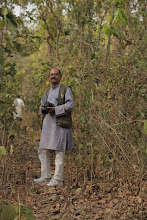

  • Ian Desai is a postdoctoral associate and lecturer in South Asian studies and history at Yale. He received his doctorate from Oxford, where he studied on a Rhodes scholarship.


Sunday, May 16, 2010

Conspiracy of the State

A macabre drama is unfolding in the poverty-stricken Indian state of Orissa where a democratically-elected government has begun to crush over a dozen people’s peaceful resistance movements against their forceful eviction from their forest, farm, water bodies and source of livelihood to help giant multi-national corporations usurp mineral-rich forest and fertile agricultural land.

The recent police atrocities on the people of Kalinganagar and Jagatsinghpur may turn out to be a turning point in the state's people's non-violent agitations which have a long and distinguished history of successfully thwarting two nationally important mega projects - the national missile testing range of the defense ministry at Baliapal and the bauxite mining from the Gandhamardan hill by the public sector National Aluminum Corporation (NALCO).

People of Kalinganagar, touted as the steel hub of India, and Jagatsinghpur have been carrying out a non-violent agitation against their displacement to make way for Tata's six-million-ton integrated steel plant and Korean giant Posco's 12-million-ton steel plant respectively. In both the places, the Orissa government, with active collusion of armed goons hired by companies, has launched massive attacks indulging in firing, baton-charge and arson. The government had tried to forcibly evict the people from their villages in 2006 and 2007 too resulting in the death of 14 tribals in Kalinganagar and injuries to many in Jagatsinghpur.

In both Kalinganagar and Jagatsingpur, the government and the companies used agent provocateurs to give a violent-twist to the peaceful sit-in dharnas by the people so as to portray the police action as ‘legitimate’. Stories were planted by the government in a section of the media describing the police action as an inevitable measure to put down violence initiated by the non-violent satyagrahis.

In Kalinganagar, where the police and the hired goons of the company had opened fire injuring over 10 people, including women and, subsequently plundered the houses of non-violent resisters, the government put up a poster purportedly issued by Maoists in support of the people’s movement, a day before the police action on March 30.

The attempt to dub the non-violent resistance movement in Kalinganagar as ‘Maoist inspired’ is a sinister design of the government which follows the popular dictum – ‘To kill the dog, give it a bad name first.’

The government’s exasperation is understandable because the people of Orissa have so far succeeded in stalling not just Tata’s and Posco’s attempt to take possession of the allotted to them for setting up massive steel plants, but have also thwarted London-based Vedanta Resources Plc from carrying out mining from the Niyamgiri hills at Lanjigarh in Kalahandi district.

The 8,000-strong Dongaria tribe residing in the foothills of the Niyamgiri hill in Kalahandi district have been carrying out a resistance movement against the mining of bauxite from the hill top on the ground that their tribal diety Niyamraja resides there and any mining activities would destroy the ecology of the region and deprive them of the their main source of livelihood, which is the forest. The ministry of environment is yet to give its clearance to Orissa Mining Corporation for carrying out mining of bauxite from the hill top. This has adversely impacted the alumina refinery of Vedanta at Lanjigarh.

Vedanta is also facing stiff resistance from the villagers to their proposed ‘world-class’ university on the Konarka-Puri coast on a massive 6,000 acres of land allotted to the company by the state government. The protesting villagers have not allowed Vedanta to take possession of the land. Lok Pal has ordered an inquiry into the alleged corruption in allocation of land from out of the land owned by the Jagannath Temple trust.

Arcelor Mittal’s proposed steel plant in Keonjhar district too has not been able to take off due to stiff opposition from the people who are likely to be displaced by the project. Though the Orissa government had committed to 8,000 acres in Keonjhar district for the proposed Arcelor Mittal steel plant at the time of signing the MoU in 2006, it has not yet been able to provide any land. The process has been delayed due to agitation by displaced families under the banner of Mittal Pratirodh Manch as most of the land is fertile agricultural land.

Agitations have also stalled allotment of land for setting up of a couple of thermal power plants, not on the grounds of displacement, but because these power plants would consume great amount of water at the cost of irrigation to cultivable land.

Police Atrocity Against Villagers In Orissa

Countercurrents.org

By Nachiketa Desai

In a massive armed assault using crude bombs, bullets and batons, the Orissa police cracked down on over 1,500 villagers staging a peaceful sit-in dharna since January last against their imminent displacement to make way for South Korean mega corp Posco’s 12 million ton Greenfield steel plant in the coastal district of Jagatsinghpur, Orissa state, India.

More than 100 people, five of them seriously, including women and children were injured in police action which began since the crack of the dawn on Saturday (May 15) with the arrest of CPI MP from Jagatsinghpur Bibhu Prasad Tarai while he was on his way to the core area of the proposed steel plant site to express solidarity with the agitating people of six villages whose 4004 acres of land has been acquired by the government for the Korean steel major.

Tension in the area has been mounting since yesterday with the arrival of 25 platoons of armed police to Balitutha, the entrance point to these villages where over 1500 villagers had set up a blockade and were on a sit-in dharna. That the police had arrived to launch an offensive was anticipated by all because only two days ago it had opened fire in Kalinganagar, killing one person and injuring many, to evacuate agitating villagers for Tata’s proposed steel plant there.

In both Kalinganagar and Jagatsinghpur, the villagers have been carrying out peaceful agitation against their displacement for the last five years. In order to create a division among the agitating people, the government and the companies had bought over a section of the local population to their side and shifted them to rehabilitation colonies.

It was with the help of these pro-project villagers that the police had carried out a raid in Kalinganagar on March 30 last, pillaging houses and burning stocks of foodgrain. Using a similar tactic, the police made the pro-Posco villagers to lob crude bombs made of kerosene and petrol to create panic and use it as a ruse to launch a massive offensive against the protesters sitting on dharna.

People of six villages, who have organized under the banner of Posco Pratirodh Sangram Samiti, had blocked the road at Balitutha, the key entrance point to these villages since January. On Saturday morning the district magistrate of Jagatsinghpur started issuing warning from a hand-held loudspeaker that the police would use force if the villagers did not lift the blockade and disperse.


According to the leaders of the Posco Pratiodh Sangram Samiti, police first fired teargas shells and set on fire the tent under which the protestors were sitting on dharna and then chased the people away from the dharna site at Balitutha. “More than 100 villagers were injured by the police who used batons fired rubber bullets. We shall continue our democratic mass resistance, come what may,” said Prasahant Paikray, spokesperson of PPSS.

The district administration has imposed prohibitory orders under Section 144 of CrPC to facilitate the government undertake survey of the land in these villages with a view to finally handing over these to the Posco. Police has also arrested Congress leaders Umesh Swain and Jayanta Biswal along with the CPI MP Bibhu Prasad Tarai. CPI has planned a protest rally to be addressed by senior party leader A B Bardhan on May 19.

Saturday, May 15, 2010

Lessons from Chhattisgarh Peace March

A bunch of hooligans belonging to Bharatiya Janata Party and the Congress representing the traders and contractors of Bastar succeeded in creating confusion among the newspaper reading, TV- watching urban middle class about a unique initiative of over 50 concerned citizens who took out a three-day peace march from Raipur to Dantewada in Chhattisgarh from May 6 to 8.

The peace march, whose participants included leading scientist Yash Pal, veteran Gandhian Narayan Desai, social activist Swami Agnivesh and academics Banwarilal Sharma and Ramji Singh, besides scores of social activists and independent journalists, was meant to convey the
message to the nation that 'dialogue and not gun' was needed to defuse the crisis caused by the civil war between the state and the Maoists in the mineral-rich forest areas of the tribal-dominated region of Chhattisgarh, Jharkhand, West Bengal, Orissa, Andhra Pradesh and Maharashtra.

Despite elaborate explanation by Prof Yash Pal, Agnivesh and other eminent citizens about the purpose of their peace march, the Raman Singh government of Chhattisgarh and Union home minister P Chidambaram managed to propagate through the media that the peace march was meant to thwart the 'Green Hunt' and to buy time for the Maoists to regroup themselves.

The media, controlled by the corporate world and the government through their patronage and threat, did their bit by conveying an impression that the peace march met with stiff opposition from the people of chhattisgarh though the vulgar and orchestrated demonstration against the march was only by a handful of hooligans who were seen back-slapping the state police officials.

Unwittingly, the peace marchers too fell into the trap laid by the government and the protesters by confining themselves to addressing a series of press conferences instead of holding one-to-one talk with the people of the towns they passed through. There was also a lack of preparation for the march which should have got placards, banners and pamphlets printed to convey the message of the marchers.

"It was futile to take out the peace march through cities and towns which fall into the 'black-market corridor'. The marchers should have crossed over to the 'red corridor' to establish communication with the adivasis who are caught in the crossfire between the state forces and the Maoists," says Rabi Das, a founder member of the CPI-ML. "The marchers would not have faced any violence, not even a whimper of protest from the Maoists and the adivasis in the 'red corridor' on the other side of the Indravati river," he adds.

Incidentally, Rabi Das and his comrade Nagbhushan Patnaik had renounced violence in the late 1970s after they had come in contact with Gandhian social worker, Malatidevi Choudhury and her husband Nabakrushna Choudhury, the former chief minister of Orissa. Rabi Das has been working in the starvation-prone Kalahandi district of Orissa for over two decades now.

Having met with nasty protest from traders of Jagdalpur and Dantewada, the peace marchers held a review meeting in which several participants stressed the need for crossing the Indravati river into the 'Red Corridor' to express solidarity with the Maoists' cause of giving the ownership rights to the adivasis over land, forest and water bodies, with the rider that taking up guns was not the solution.

Prominent among the peace marchers such as Prof Yash Pal, Thomas Kochery, Dr. Banwarilal Sharma had made it amply clear during their interaction with the press that the faulty development paradigm of the country was responsible for the widening schism between the rich and the poor and that the government was hand-in-glove with the mega corporations and multinational corporations in the plunder of the country's natural resources to the peril of the poor adivasis and the environment.

Given such a stand, the peace marchers could have easily established rapport with the adivasis in the 'Red Corridor' as well as the Maoists fighting for their rights. They could have also tried to convince the Maoists of the efficacy of non-violent direct action by pointing out the success of the people's movements in Baliapal and Gadhamardan in Orissa which were able to stop the proposed national missile testing range and the bauxite mining respectively.

In fact, it is because the people's movement in Orissa has remained peaceful and non-violent that it has been difficult for the government and the mega corporation to push ahead several mega projects in the state. Local villagers in Orissa have been resisting setting up of mega steel plants by the Tatas and the Korean gian Posco for more than five years now as a result of which these companies have not been able to take possession of the land.

The government and the companies, on the other hand, have tried many times to provoke the people by resorting to violence as in Kalinganagar. There have also been attempts by the government to brand these peaceful movements as Naxalite movements so that the state repression can be justified.

Tuesday, May 11, 2010

Battle for Bastar

Bastar (Chhattisgarh): A fierce battle is raging along the Indrawati river in Central India. On one side of the river are deployed the para military forces of the Indian state. On the other side, in dense forest, are the Maoist guerrillas.

The Indian militia calls the battle, operation ‘Green Hunt’, which is aimed at flushing out the Maoists from the mineral rich forest land so that Indian and multinational corporations can fatten their bottom line by exploiting iron ore, coal and bauxite. The Maoists are fighting to protect the 40,000 square kilometers of dense forest land known as Dandakaranya from these marauding companies.

The Indian militia has deployed at the front a private army of teenaged adivasis raised under the banner of ‘Salwa Judum’ to provide local support to the Central Reserve Police force (CRPF). The police of Chhattisgarh operate from the safety of police stations, far away from the battle field. In the battle for the control of Dandakaranya, mostly the adivasis and the CRPF men drawn largely from the poor and socially backward class families from across the country die. Rarely do the senior officers of the police, the bureaucracy or the top executives of the MNCs get killed.

Maoists have ‘liberated’ the mineral-rich region where governments have existed only in the form of greedy contractors and corrupt policemen and forest officials, leaving the mass of tribals to suffer in poverty, disease and illiteracy while outsiders strip away Bastar's minerals.

“The country is on a boil. In the last 60 years, we have made the rich more rich and the poor more poor. The condition of over 60 crore people of our country is deteriorating day by day. If such a scenario continues, there would be great trouble, what kind of trouble is unpredictable,” says Professor Yash Pal, leading space scientist and former chairman of University Grants commission.

“Today, millions of people, mostly tribals, are migrating from their ancestral land to far off places like Mumbai, Delhi, Punjab and Gujarat to toil as labourers. There must be something terribly wrong with our development policy which is making this happen,” points out Prof. Yash Pal. “In the name of development, we are mining for minerals which we export to China, Japan and other countries. We dig land, we dig forest, we uproot people living in this land for the so-called development and progress,” he adds.

“Having uprooted the adivasis, we set up highly polluting industries and destroy the most-beautiful and green forest land of our country. We are destroying the soil of India, we are destroying the people of India.”

Prof. Yash Pal was addressing a press conference in Raipur, the state capital of Chhattisgarh, on the eve of a peace march to Dantewada calling for talks and national debate to find an end to the civil war in the tribal-dominated mineral-rich forest-covered areas of Chhattisgarh, Orissa, Jharkhand, West Bengal, Andhra Pradesh and Maharashtra.

Prof. Yash Pal was among the group of over 50 concerned citizens who participated in the peace march from Raipur to Dantewada from May 6 to 8. Among the other participants were Swami Agnivesh of Bandhua Mazdoor Mukti Sangathan, Prof. Banwarilal Sharma of Azadi Bachao Andolan, veteran Gandhian Narayan Desai, chancellor of Gujarat Vidyapith, Thomas Kochery of World Fisherfolk Forum and Radha Bhatt, chairperson of Gandhi Peace Foundation.

There was a consensus among the participants of the peace march that faulty development model of the country, which marginalized the vast majority of rural poor, the indigenous dwellers of the forest, was responsible for the civil war-like situation in not just the forested areas of central India but also in the North-eastern states and Kashmir.

There was also a consensus among them over the means of restoring peace in the country. “Gun versus gun is not the solution. Violence only would breed more violence. If the government thinks that it would be able to eliminate the Maoists by bullets, it is greatly mistaken. Look, what happened in Vietnam,” points out Prof Yash Pal.

“Are we going to annihilate the entire population of Adivasis, just like the Americans did with the Red Indians, to push forward development and progress?” asked Radha Bhatt of the Gandhi Peace Foundation.

“In the name of dam construction and mining, millions of people are getting displaced,” points out Thomas Kochery. “They are getting displaced from their land, forest and water”, he adds. This is the first kind of violence the poor people are facing, this is the first form of terrorism in the country.
“The second form of violence is by Naxalites who take up arms to retaliate the first form of violence. And the third form of violence is when the army and the para military forces use guns to put down the second form of violence,” he points out. “We are here to say that peace can be achieved by removing all the three kinds of violence from the country.”

“A long-lasting peace can be achieved only by holding talks amongst all concerned to find out a sustainable people-centric development paradigm,” says veteran Gandhian Narayan Desai.

Despite having spelled out the objective of their peace march from Raipur to Dantewada, the marchers faced ugly demonstration from a handful of supporters of both the ruling Bharatiya Janata Party and the opposition Congress as well as from some representatives of trade, commerce and industry bodies.

The first to react was Chhattisgarh chief minister Raman Singh who ridiculed the peace initiative by mocking at them and obliquely referring to them as the sympathizers of the Maoists. “Why do these intellectuals wake up only when the government starts operations against the Maoists and keep quiet when the members of our security forces get killed,” he said.

Taking a cue from the chief minister’s statement, a handful of workers of the BJP, the Congress and the local chamber of commerce and industry held demonstrations in Raipur, Jagdalpur and Dantewada, shouting, “Naxal supporters go back, go back.”

None of these demonstrators was local adivasi and only represented the trading community of the district towns of Jagdalpur and Dantewada which has been exploiting the adivasis over the last several centuries and which thrives on the ongoing war against the Maoists.

“The traders of Jagdalpur and Dantewada are the main suppliers of foodgrain, grocery and other essential commodities to the security forces. Their total turnover of supplies to the security forces is in the range of Rs2000 crore yearly,” points out a resident of Jagdalpur who was a student union leader of the local college about a decade ago.

The state government and members of both the ruling BJP and the opposition Congress, with active participation of the police and local goons have been preventing independent journalists, lawyers and human rights activists from visiting Dantewada by organizing violent attacks against them.

Anyone trying to find out what is happening in Bastar on both sides of the Indrawati river is promptly branded by the Establishment as ‘Supporter of Maoists’.

A Gandhian worker, Himanshu Kumar, who has been running ‘Vanvasi Chetana Ashram’ for the last 17 years, was dubbed as ‘Maoist sympathiser’ and his Ashram razed to the ground by the authorities after he raised the issue of mindless killing of innocent adivasis by the police-backed Salwa Judum private militia.

A couple of journalists have been detained by the police after they tried to cross the Indrawati river to find out what was happing in the deep forest.